Qimagine Image Prompt Guide
Writing effective prompts is not easy. This guide summarizes two major categories of prompt techniques, helping you learn prompt writing methods step by step.
Getting Started
Writing effective prompts is not easy. This guide summarizes two major categories of prompt techniques, helping you learn prompt writing methods step by step.
Prompt Formulas
Provides two prompt usage formulas for different usage needs.
Prompt Dictionary
Express image content through five major elements: framing, perspective, lens type, style, and lighting.
Prompt Formulas
Prompts are used to describe the content contained in images and are key factors in controlling picture content and effects. The more complete, precise, and rich the prompt description, the higher the quality of the generated image and the closer it is to the expected generated content. To help you get started faster, we provide two prompt usage formulas for different usage needs.
Basic Formula
Target Users: Suitable for new users trying AI creation for the first time, and users who use AI as inspiration. Simple and free prompts can generate more imaginative images.
Prompt = Subject + Scene + Style
Subject
The subject is the main object of the picture content, which can be people, animals, plants, objects, or imagined things that don't physically exist.
Scene
The scene is the environment where the subject is located, including indoor or outdoor, season, weather, lighting, etc. It can be a physically existing real space or an imagined fictional scene.
Style
Choose or define the artistic style of the image, such as realistic, abstract, etc., to help the model generate images with specific visual effects.
Advanced Formula
Target Users: Suitable for users with some AI image generation experience. Adding richer and more detailed descriptions on top of the basic formula can effectively improve picture quality, detail richness, and expressiveness.
Prompt = Subject (Subject Description) + Scene (Scene Description) + Style (Define Style) + Lens Language + Atmosphere Words + Detail Modifiers
Subject Description:
Clearly describe the subject in the image, including its characteristics, actions, etc. For example, "a cute 10-year-old Chinese girl wearing red clothes".
Scene Description:
Scene description is a detailed description of the environmental characteristics of the subject, which can be listed through adjectives or short sentences.
Define Style:
Define style is to clearly describe the specific artistic style, expression technique, or visual characteristics that the image should have. For example, "watercolor style", "comic style". Common stylization details can be found in the prompt dictionary below.
Lens Language:
Lens language includes framing, perspective, etc. Common lens language can be found in the prompt dictionary.
Atmosphere Words:
Atmosphere words are descriptions of the expected picture atmosphere, such as "dreamy", "lonely", "magnificent". Common atmosphere words can be found in the prompt dictionary.
Detail Modifiers:
Detail modifiers are further refinement and optimization of the picture to enhance the image's detail expressiveness, richness, and beauty. For example, "light source position", "prop matching", "environmental details", "high resolution", etc.
Prompt Dictionary
By writing prompts in different dimensions, we determine the expressiveness of the generated image in multiple aspects such as content, style, and details. We have carefully prepared common dimensions and prompt examples as references, and we also welcome everyone to explore more usage techniques.
1. Framing
Framing refers to the difference in the range size of the subject presented in the image due to the different distances between the camera and the subject being photographed. It can generally be divided into long shot, full shot, medium shot, close-up, extreme close-up, etc. Here are some framing examples:
| Type | Prompt Example | Image Effect |
|---|---|---|
| Extreme Close-up | "HD camera, emotional masterpiece, sunset, close-up portrait" | 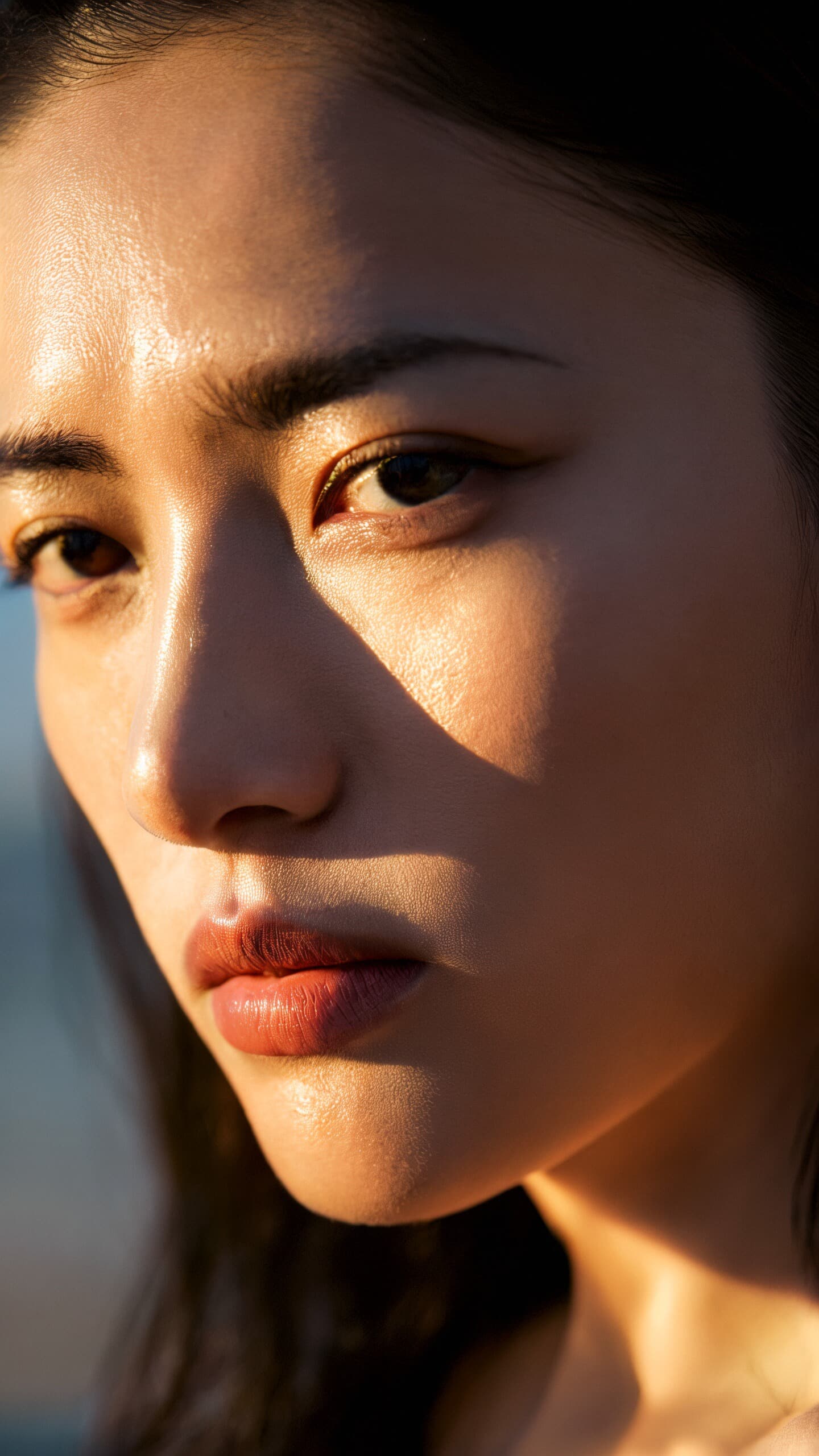 |
| Close-up | "Close-up shot, 18-year-old Chinese girl, ancient costume, round face, looking at camera, elegant ethnic clothing, commercial photography, outdoor, cinematic lighting, half-body close-up, delicate light makeup, sharp edges" | 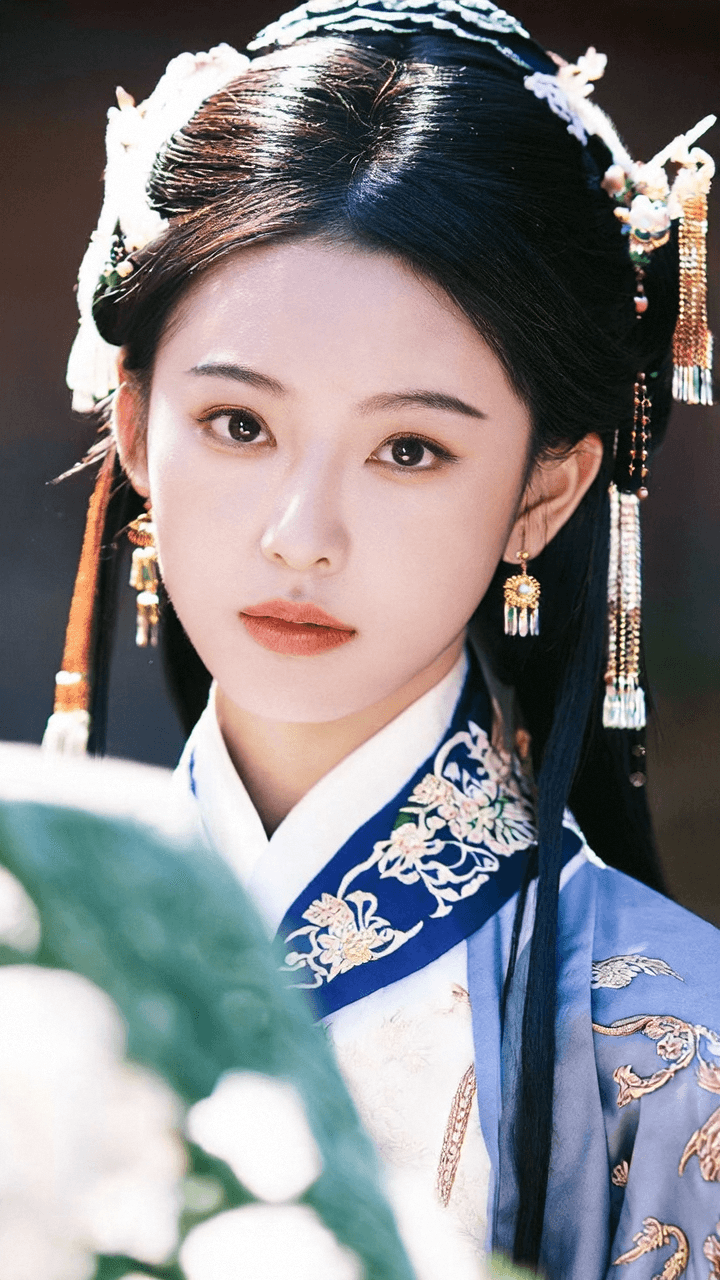 |
| Medium Shot | "Cinematic fashion glamour photography, young Asian woman, Chinese Miao girl, round face, looking at camera, elegant dark ethnic clothing, medium wide-angle lens, sunny, utopian, shot by HD camera" | 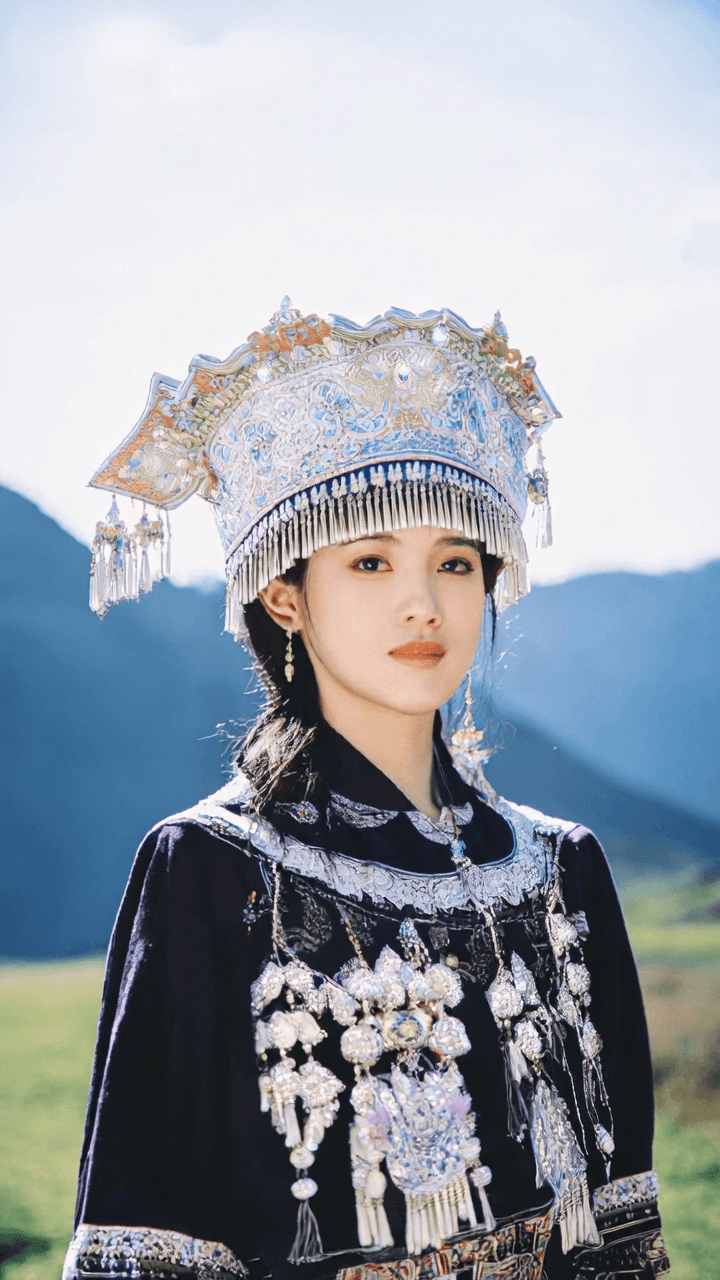 |
| Long Shot | "Shows a long shot, two small figures standing on a distant mountain peak against a magnificent snowy mountain background, facing away from the camera, quietly admiring the beautiful sunset. The golden glow of the setting sun bathes the snow-capped mountains, creating a brilliant golden radiance that contrasts sharply with the azure sky. The two figures seem captivated by this spectacular natural scene, with the entire frame filled with tranquility and harmony" | 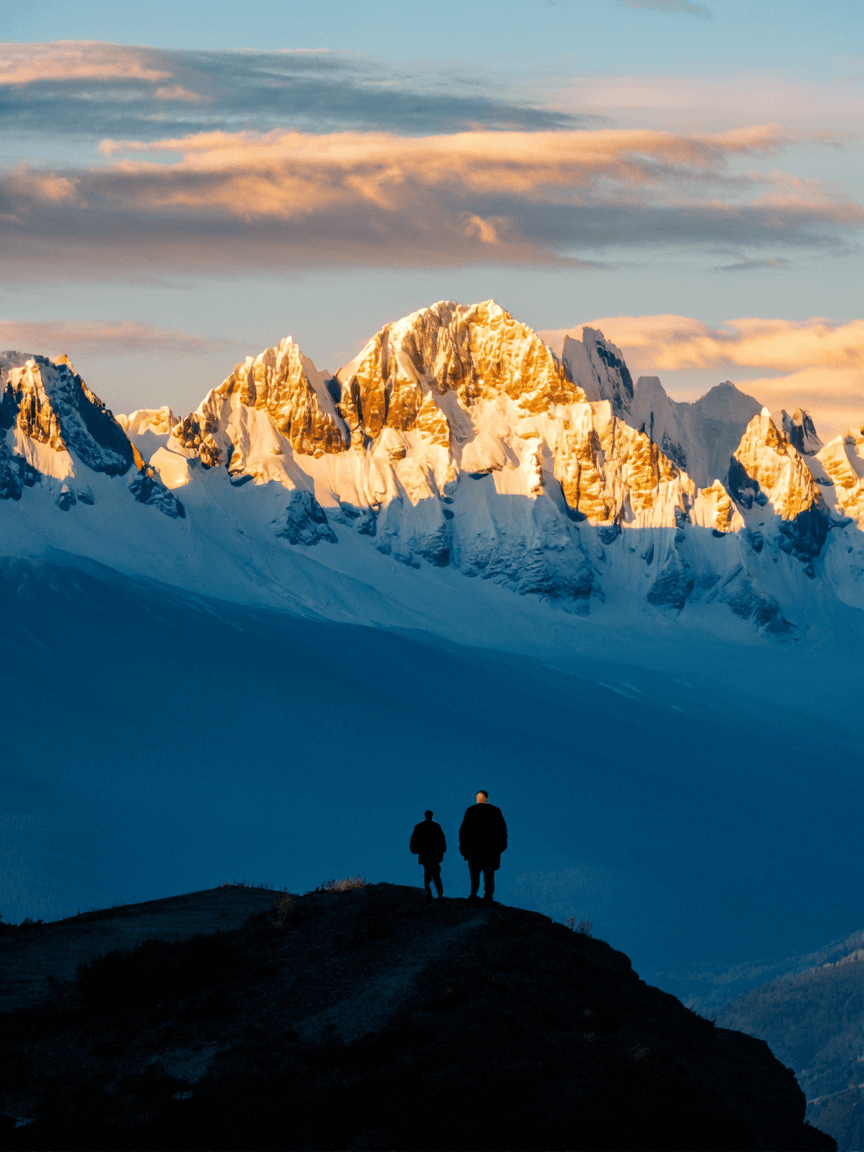 |
2. Perspective
Lens perspective, that is, the perspective chosen when the camera shoots the picture. Here are some perspective examples:
| Type | Prompt Example | Image Effect |
|---|---|---|
| Eye Level | "The image captures a grassland scene from an eye-level perspective, with a flock of sheep grazing leisurely on the lush green grass, their wool glowing with warm golden luster under the faint morning sunlight, creating beautiful light and shadow effects" | 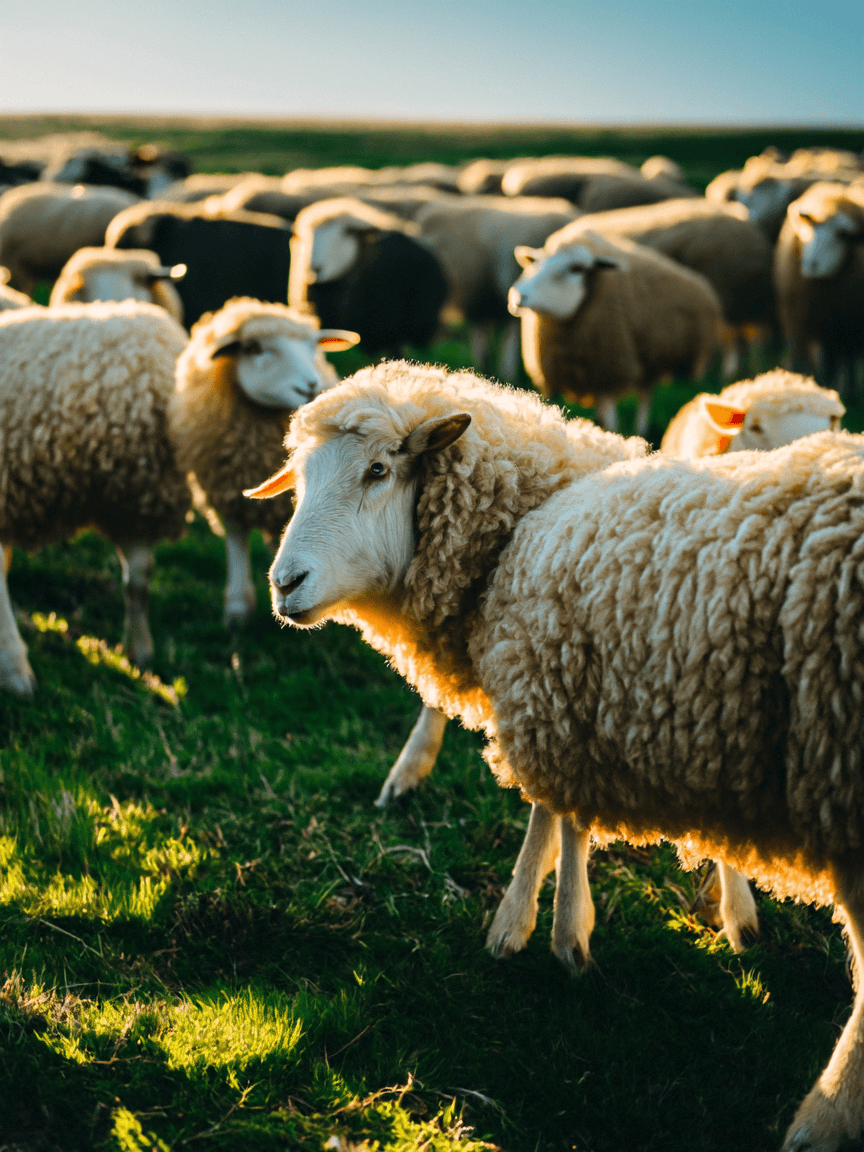 |
| High Angle | "I look down at the ice lake from above, with a small boat in the center, surrounded by vortex patterns and vibrant blue seawater. Spiral abyss, this scene is shot from above with a top-down perspective, showcasing complex details such as surface ripples and layers beneath the snow-covered ground. Gazing at the vast icy expanse. Creating a sense of awe-inspiring tranquility" | 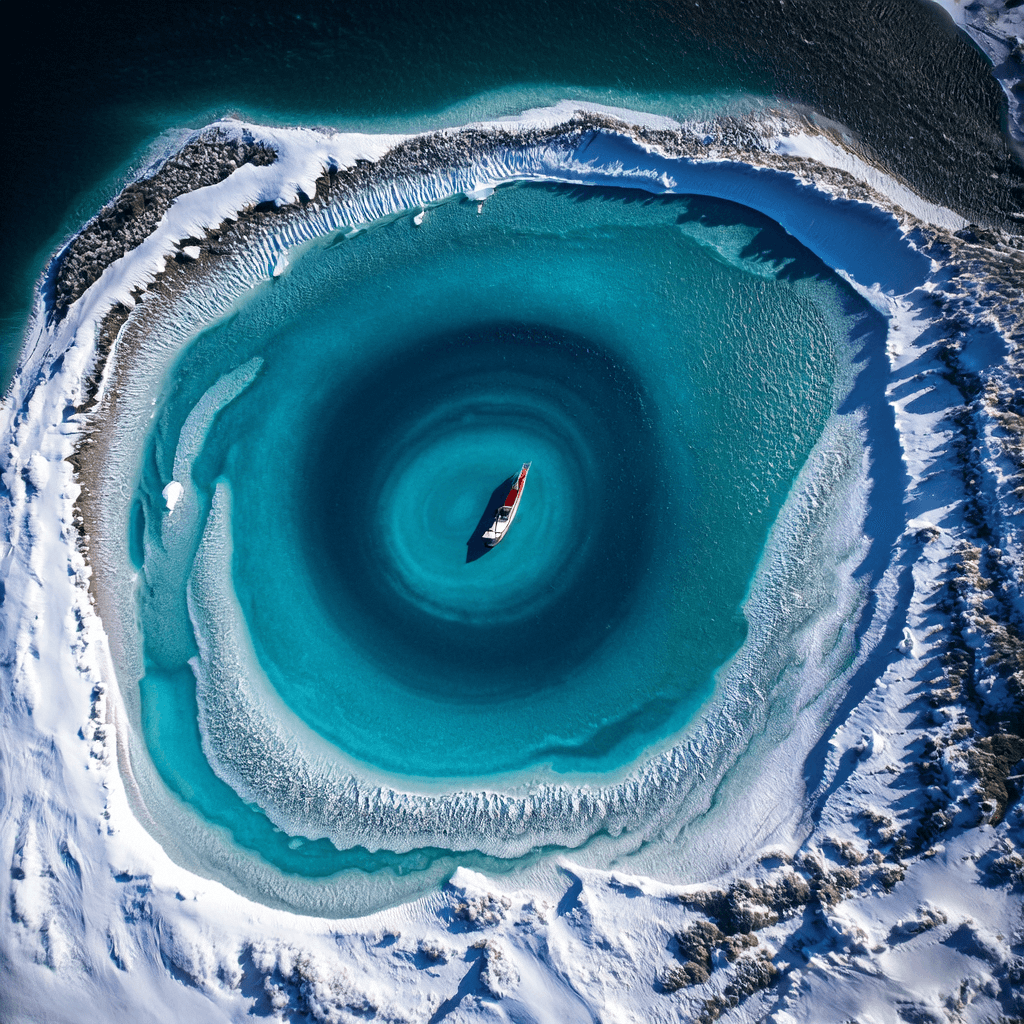 |
| Low Angle | "Shows a spectacular tropical scene, with tall coconut trees standing like towering giants, with lush branches and leaves pointing straight to the blue sky. The lens adopts a low-angle perspective, making viewers feel as if they are standing under the trees, experiencing the majesty and vitality of nature. Sunlight filters through the gaps between leaves, creating dappled light and shadow, adding a touch of mystery and romance. The entire frame is filled with tropical charm, making one feel as if they can smell the coconut fragrance and feel the refreshing breeze" | 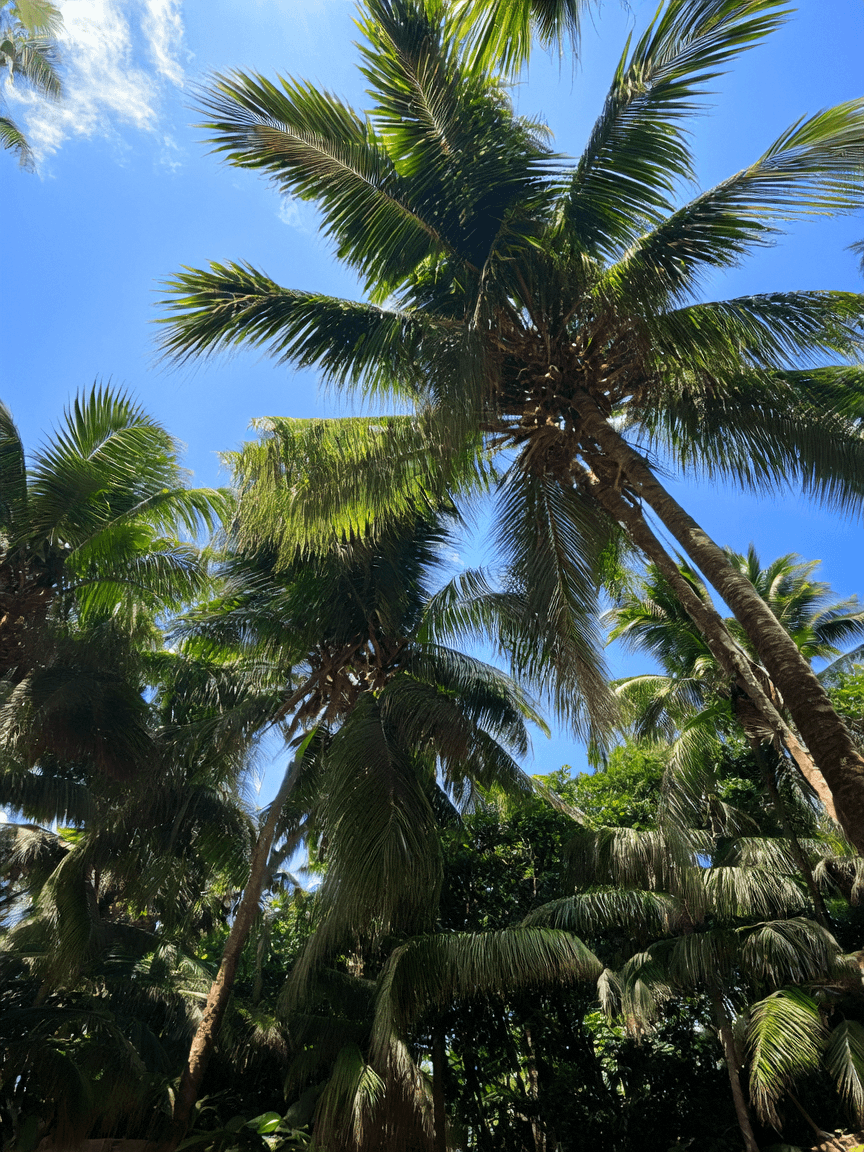 |
| Aerial | "Shows heavy snow, village, roads, lights, trees. Aerial perspective, realistic effect" | 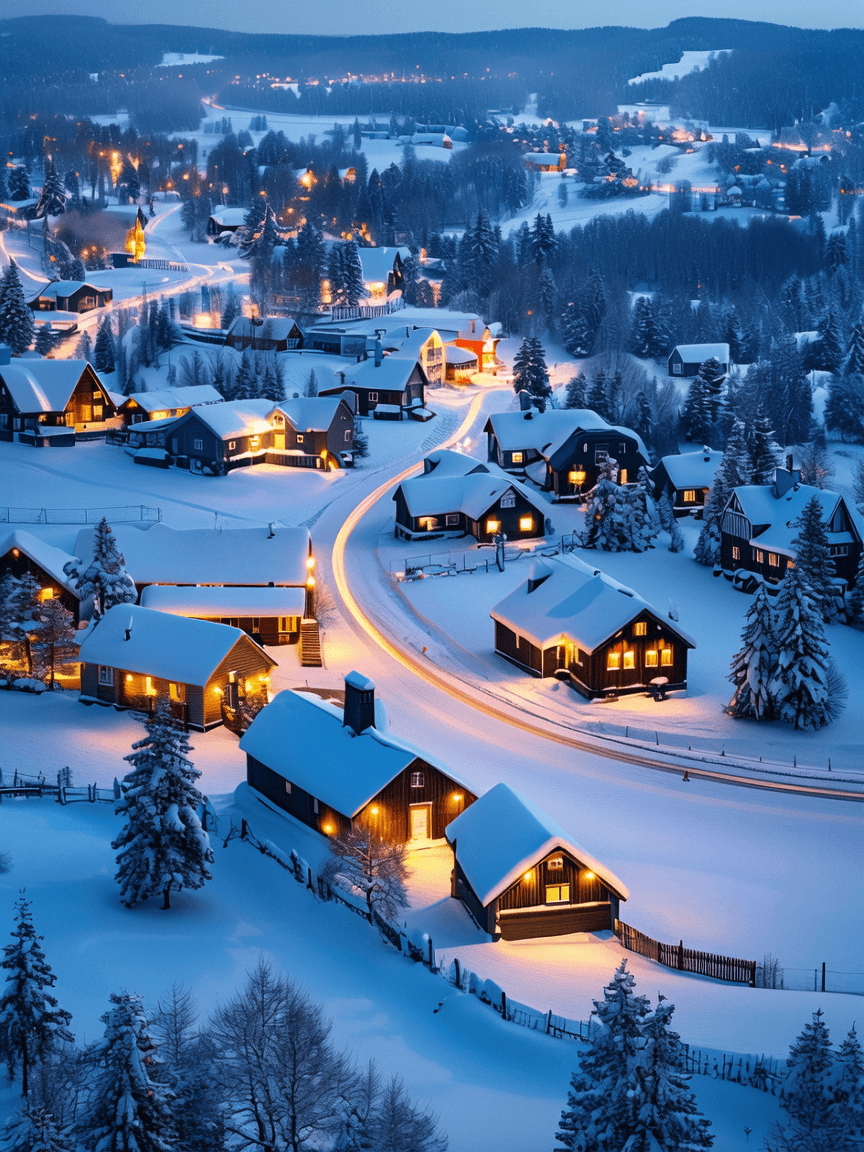 |
3. Lens Type
Lens type refers to the different types of camera lenses divided according to different focal lengths, functions, application scenarios, etc. Here are some lens type examples:
| Type | Prompt Example | Image Effect |
|---|---|---|
| Macro | "Cherries, carbonated water, macro, professional color grading, clean sharp focus, commercial high quality, magazine winning photography, hyper realistic, uhd, 8K" | 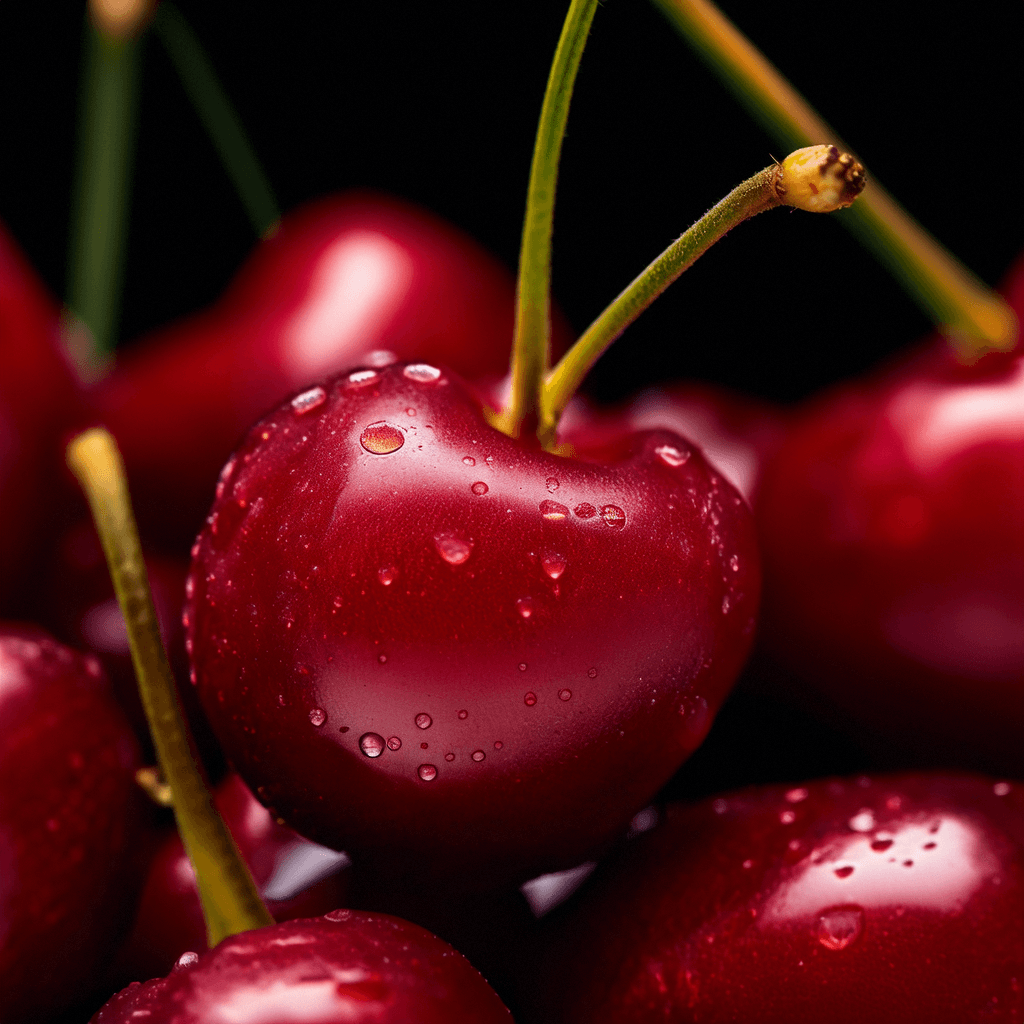 |
| Ultra Wide Angle | "Ultra wide-angle lens, island under blue sea and sky, sunlight filtering through tree leaves, casting dappled light and shadow" | 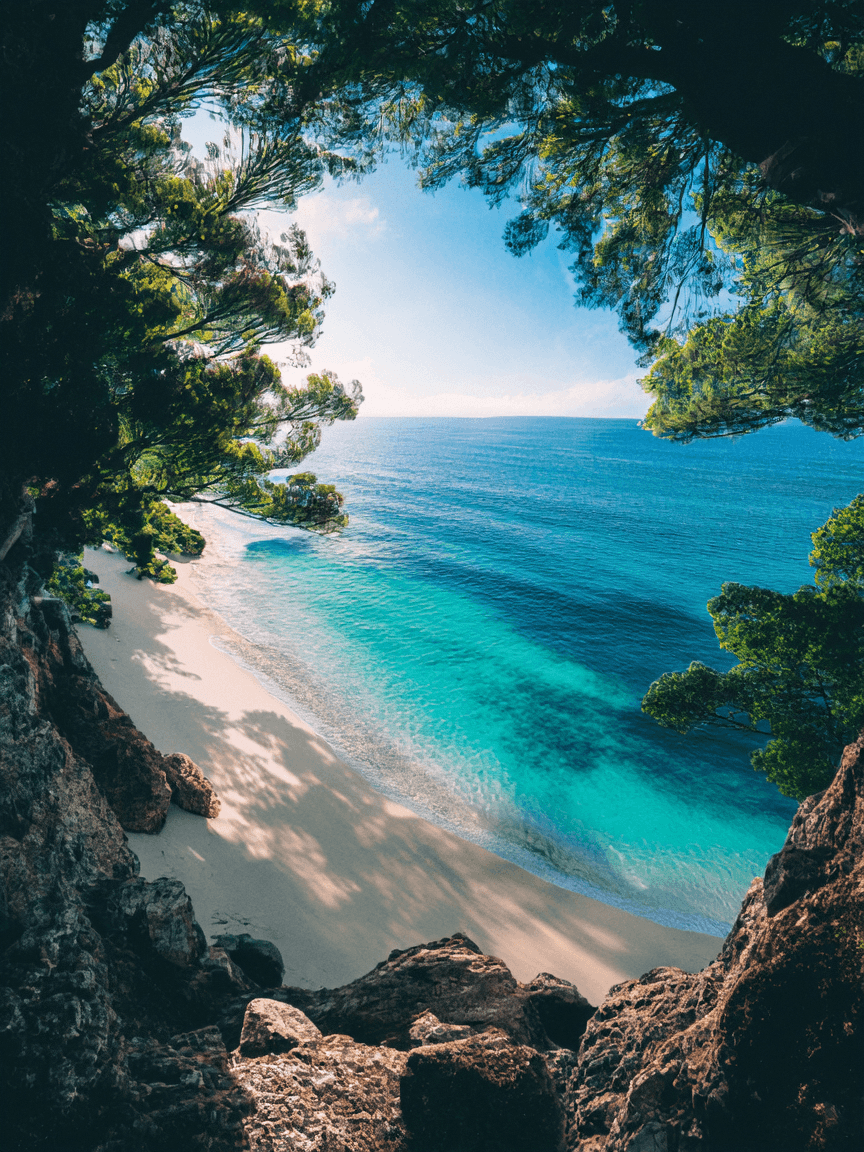 |
| Telephoto | "Shows a cheetah standing in a lush forest under a telephoto lens, facing the camera, with the background cleverly blurred, making the cheetah's face the absolute focus of the frame. Sunlight filters through the gaps between leaves, casting dappled light and shadow on the cheetah, enhancing the visual impact" | 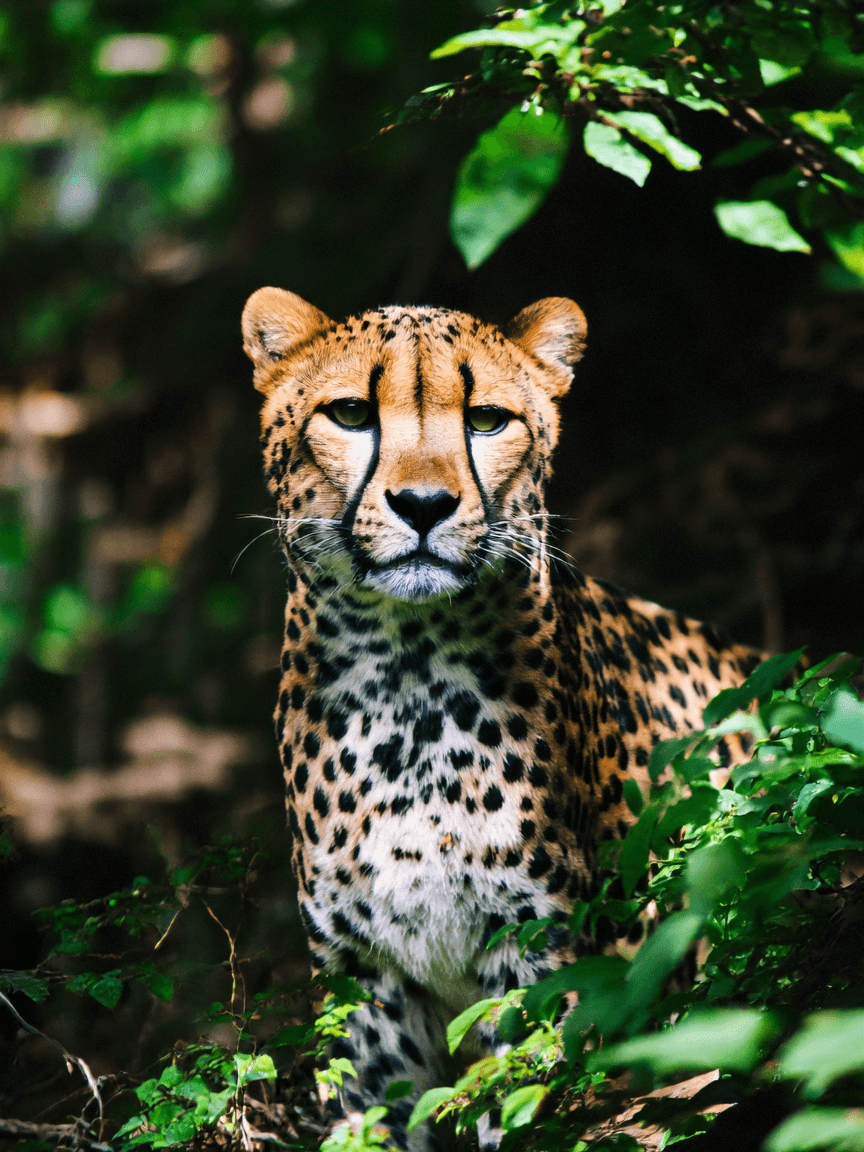 |
| Fisheye | "Shows a woman standing and looking directly at the camera under the special perspective of a fisheye lens. Her image is exaggeratedly enlarged in the center of the frame, while the surroundings show strong distortion effects, creating a unique visual impact" | 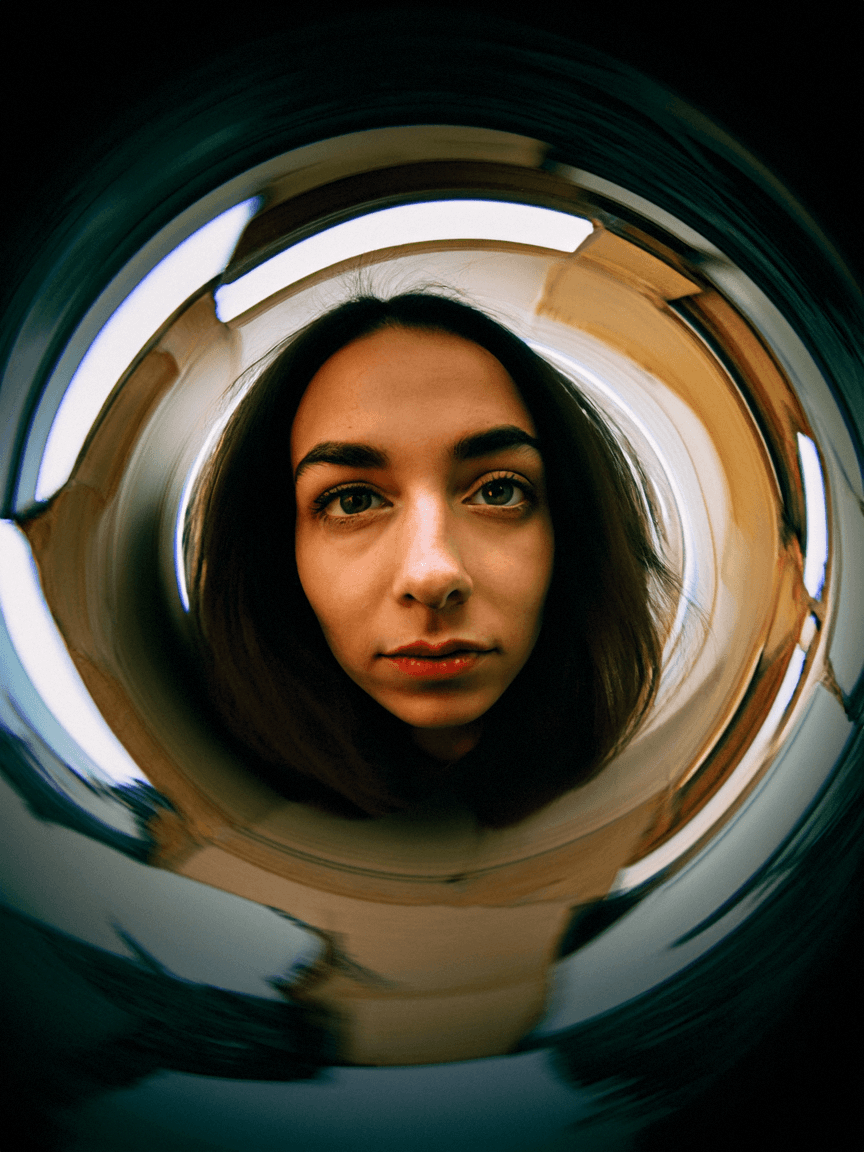 |
4. Style
Define style is to clearly describe the specific artistic style, expression technique, or visual characteristics that the image should have. Here are some style type examples:
| Type | Prompt Example | Image Effect |
|---|---|---|
| 3D Cartoon | "Tennis female athlete, short hair, white tennis outfit, black shorts, side view returning ball, 3D cartoon style" | 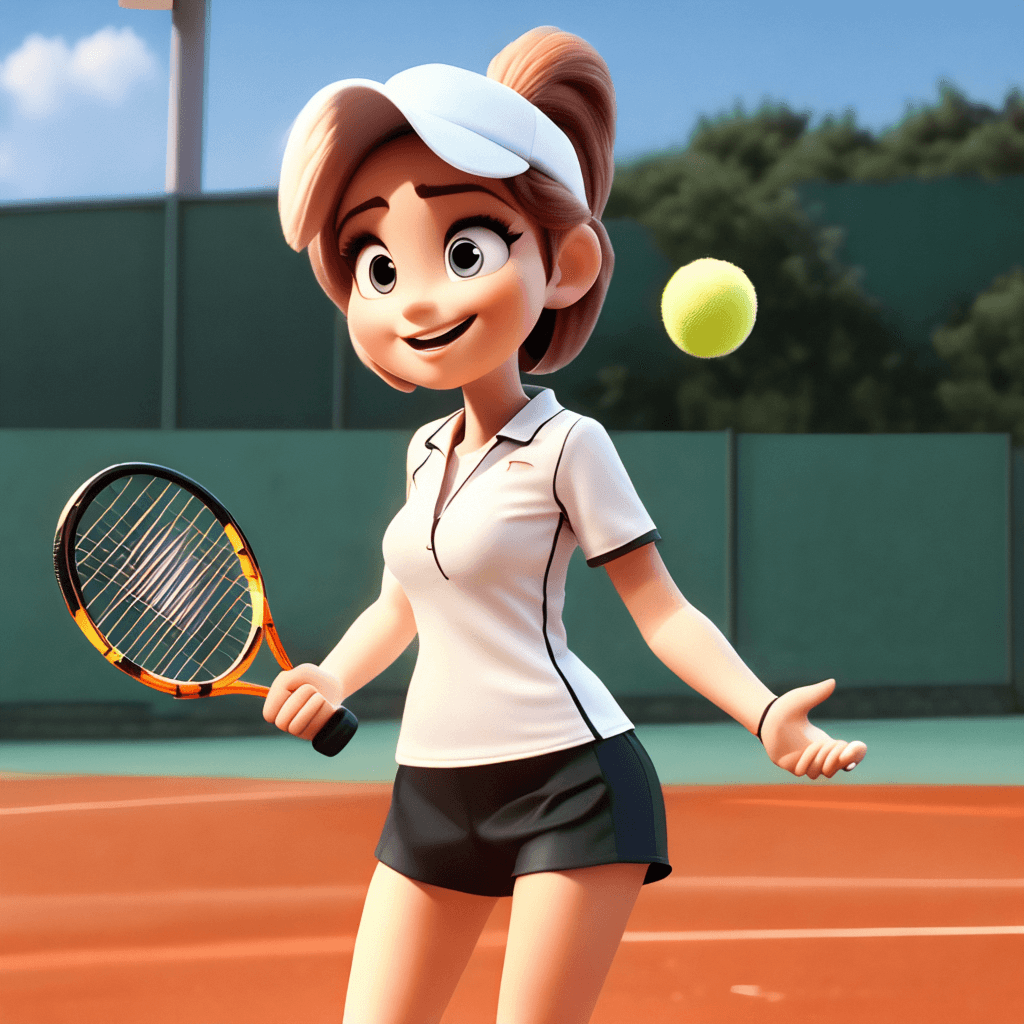 |
| Post-Apocalyptic | "City on Mars, post-apocalyptic style" | 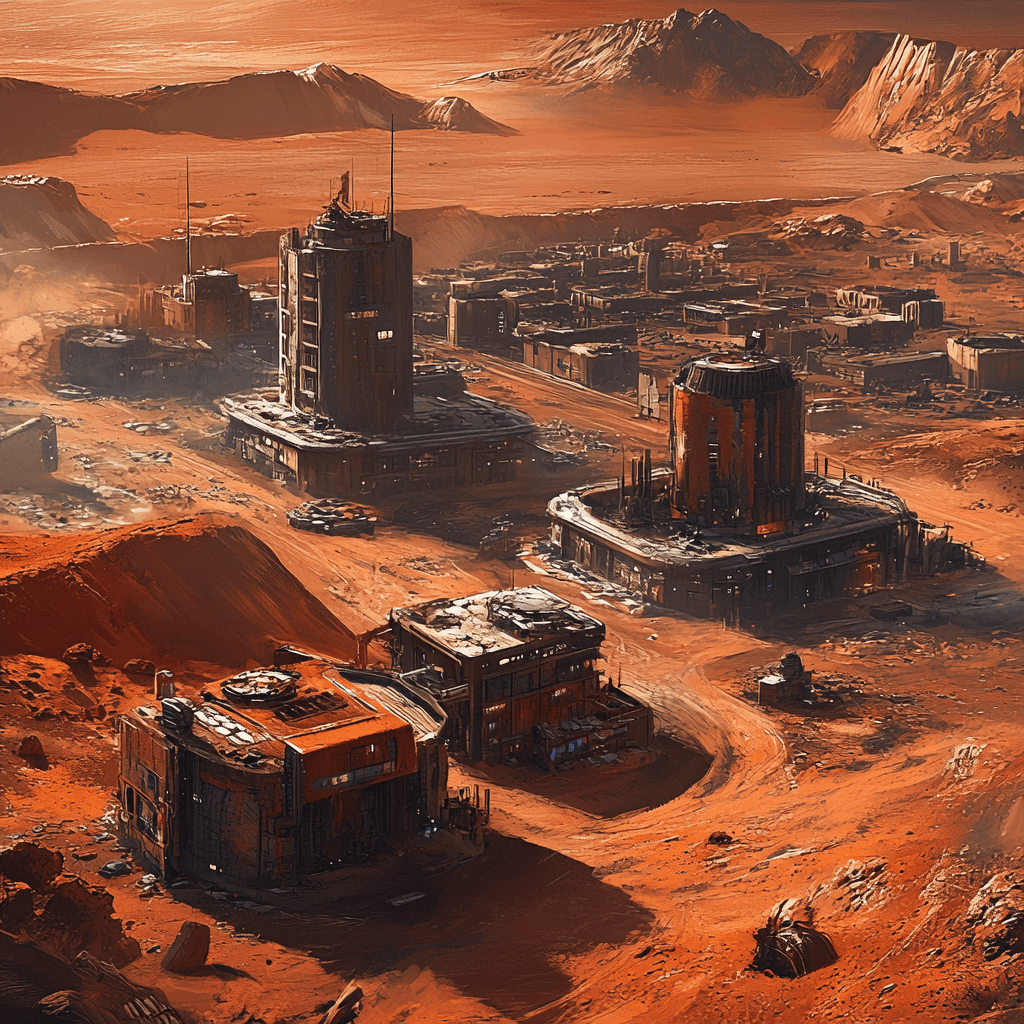 |
| Pointillism | "A cute white little house, thatched cottage, a snow-covered grassland, bold use of pointillism, Monet feel, clear brushstrokes, blurred edges, primitive edge textures, low saturation colors, low contrast, Morandi colors" | 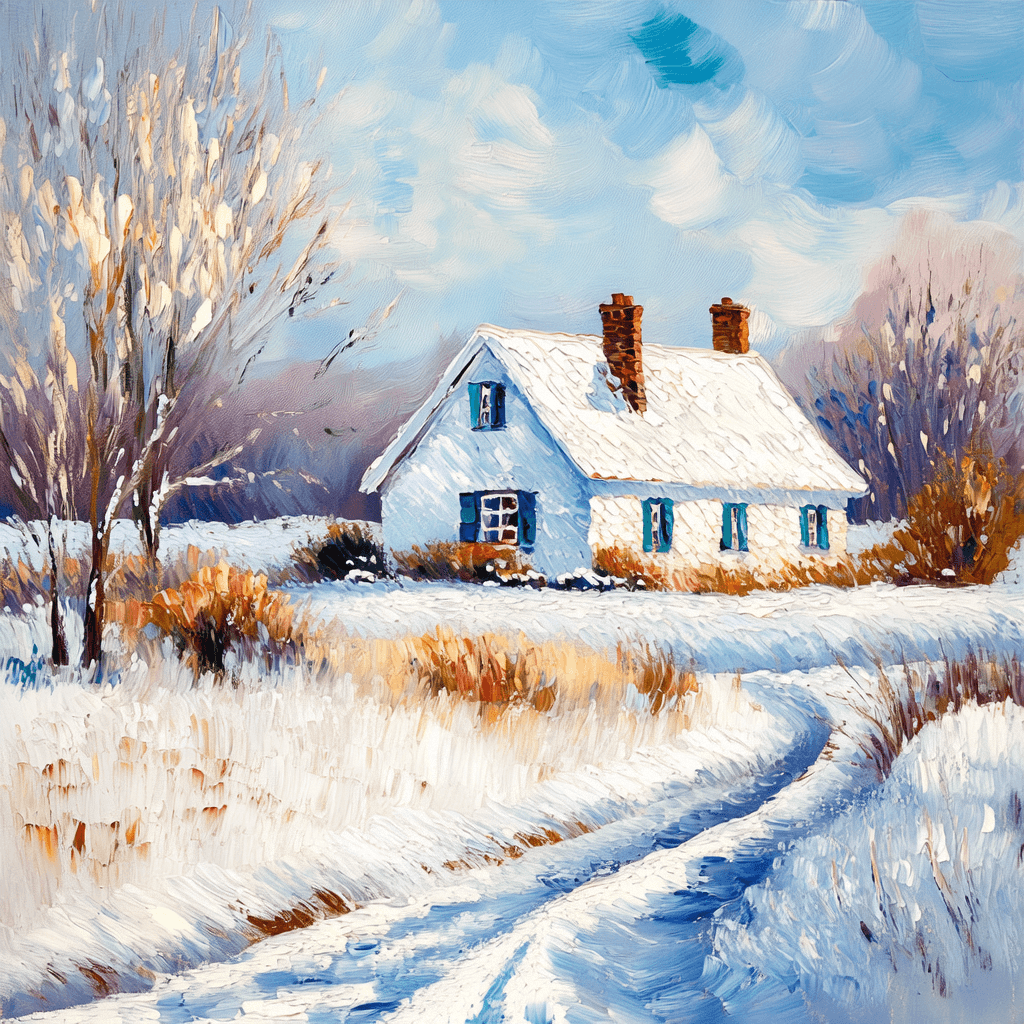 |
| Surreal | "A pink glowing river in dark gray sea, with minimalist, beautiful and aesthetic atmosphere, with surreal style cinematic lighting" | 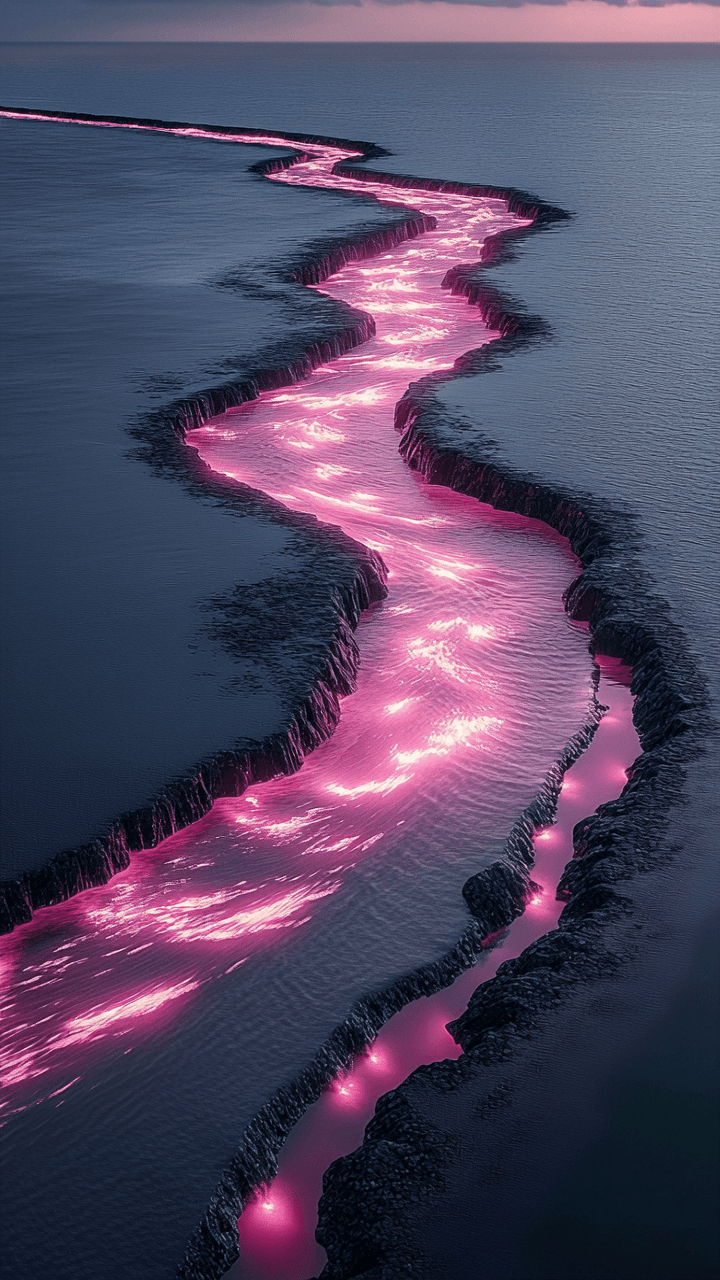 |
| Watercolor | "Light watercolor, outside cafe, bright white background, less detail, dreamy, Studio Ghibli" | 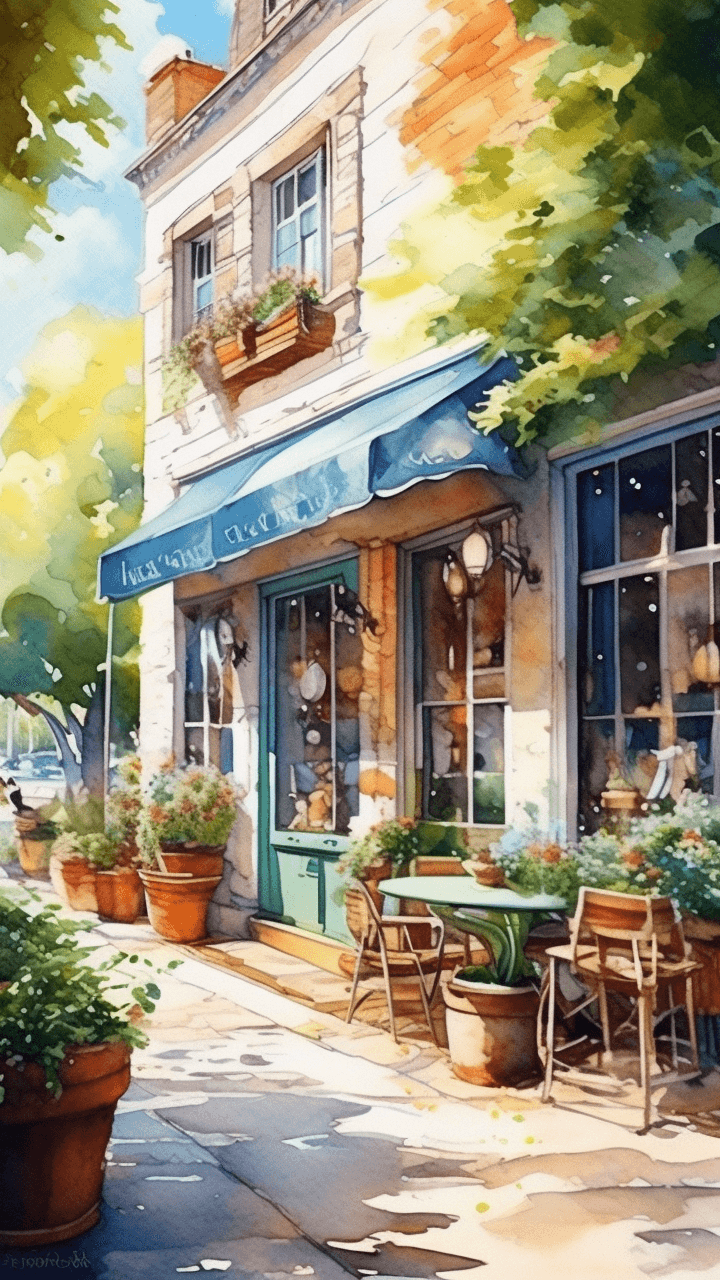 |
5. Lighting
Different types of lighting can create various atmospheres and effects, meeting different creative needs. Here are some lighting type examples:
| Type | Prompt Example | Image Effect |
|---|---|---|
| Natural Light | "The image shows morning sunlight falling on the ground of a dense forest, with silvery white light penetrating through the treetops, creating dappled light and shadow, creating a realistic and tranquil atmosphere" | 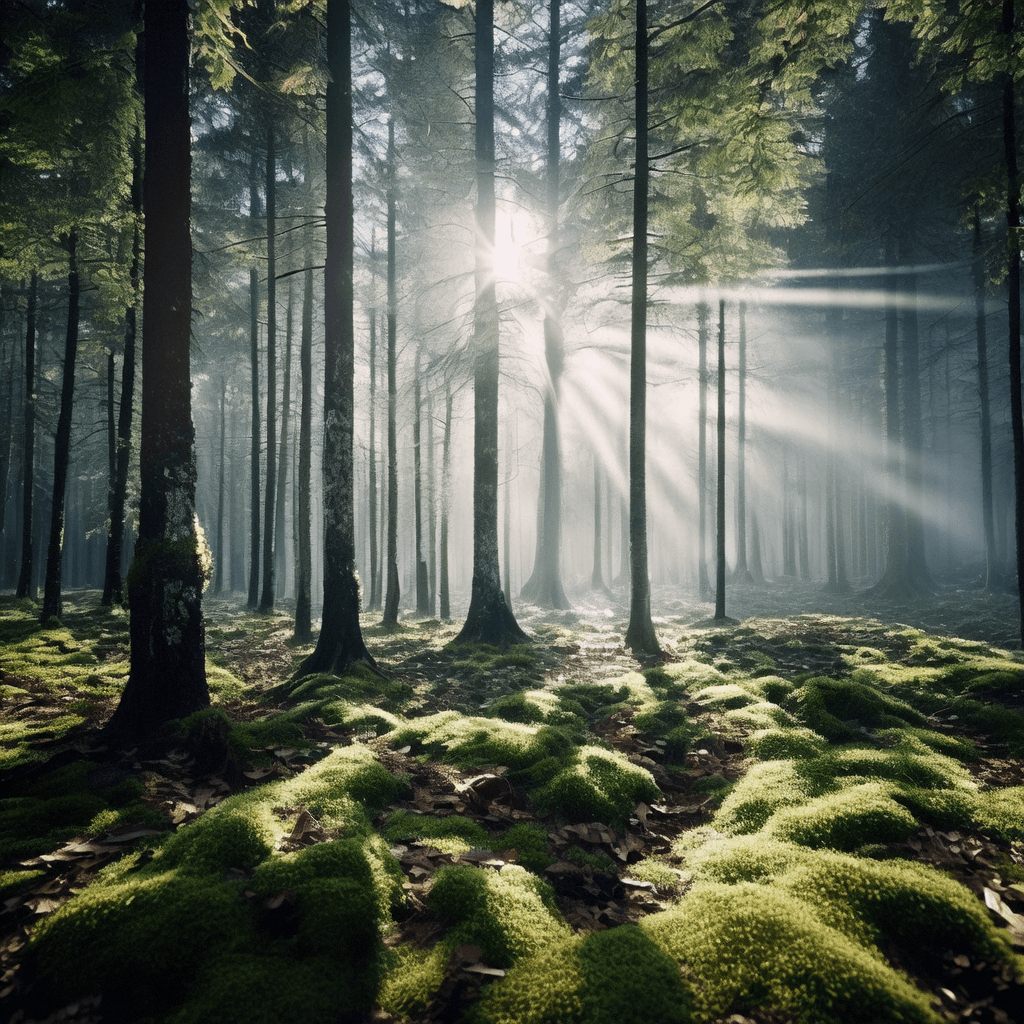 |
| Backlight | "Shows a model with more defined contour lines in backlight environment, with golden light and silk surrounding the model, creating a dreamy halo effect. The entire scene is full of artistic atmosphere, showcasing high-level photography techniques and creativity" | 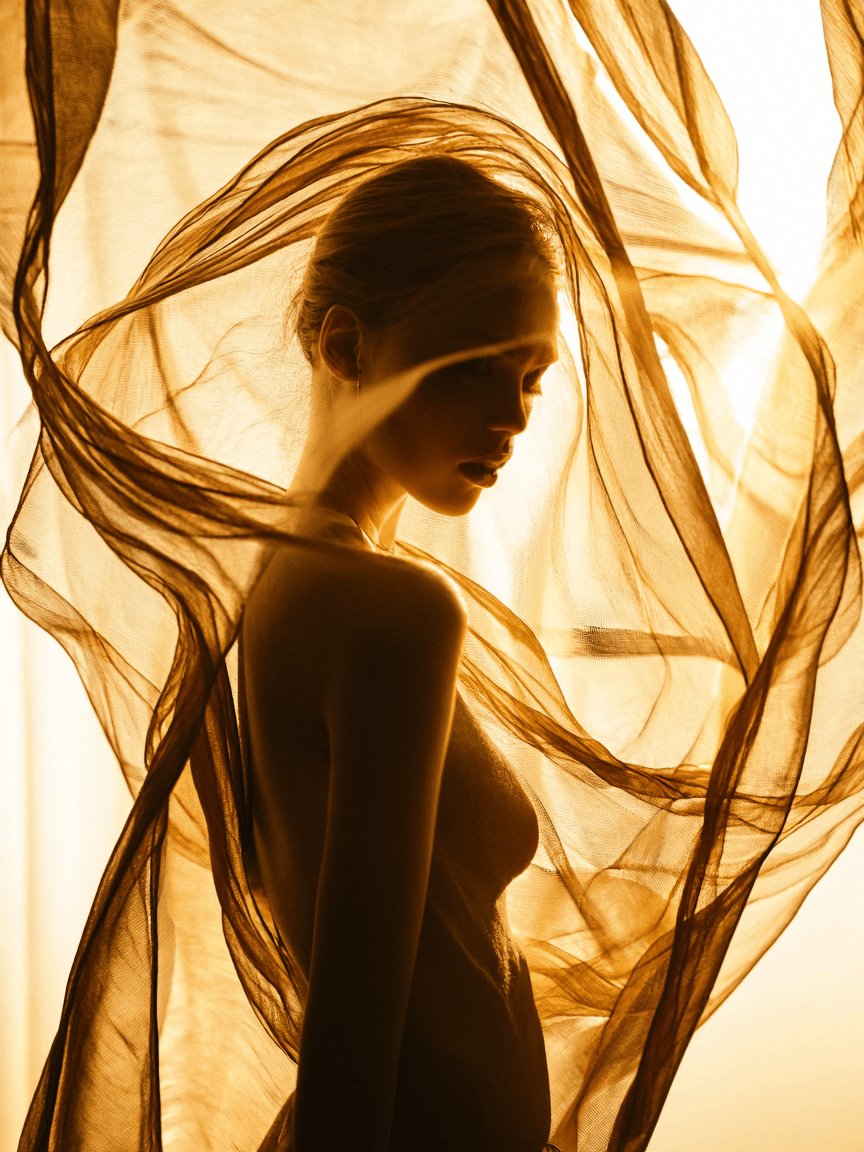 |
| Neon Light | "Rainy city street scene, neon lights reflecting brilliant colorful light on the wet ground. Pedestrians hurry past with umbrellas, vehicles slowly drive on the bizarre streets, leaving trails of colorful tail lights. The entire frame is filled with the mystery and romance of urban nights, as if every raindrop is telling the city's story" | 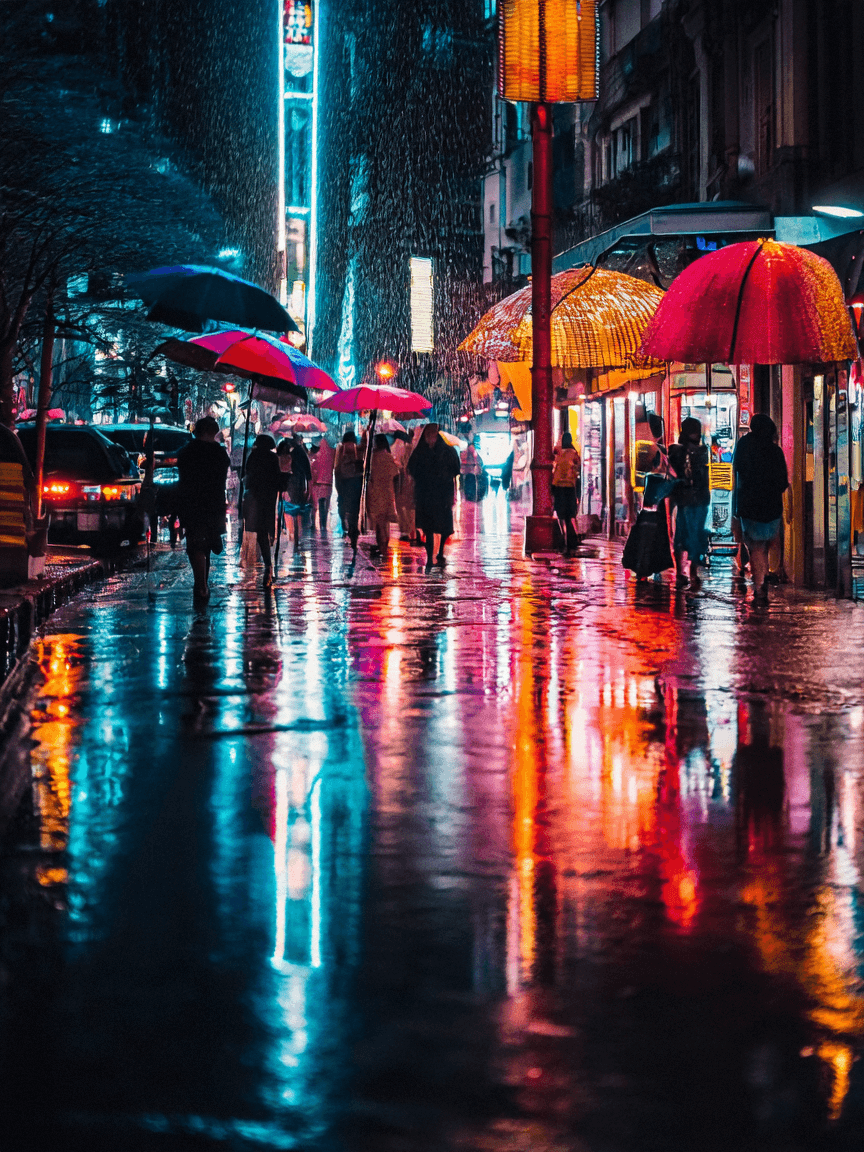 |
| Ambient Light | "Romantic artistic scene by the river at night, ambient lights gently illuminating the water surface, with a group of lotus lanterns slowly floating toward the center of the river, the lights and rippling water surface reflecting each other, creating a dreamy visual effect" | 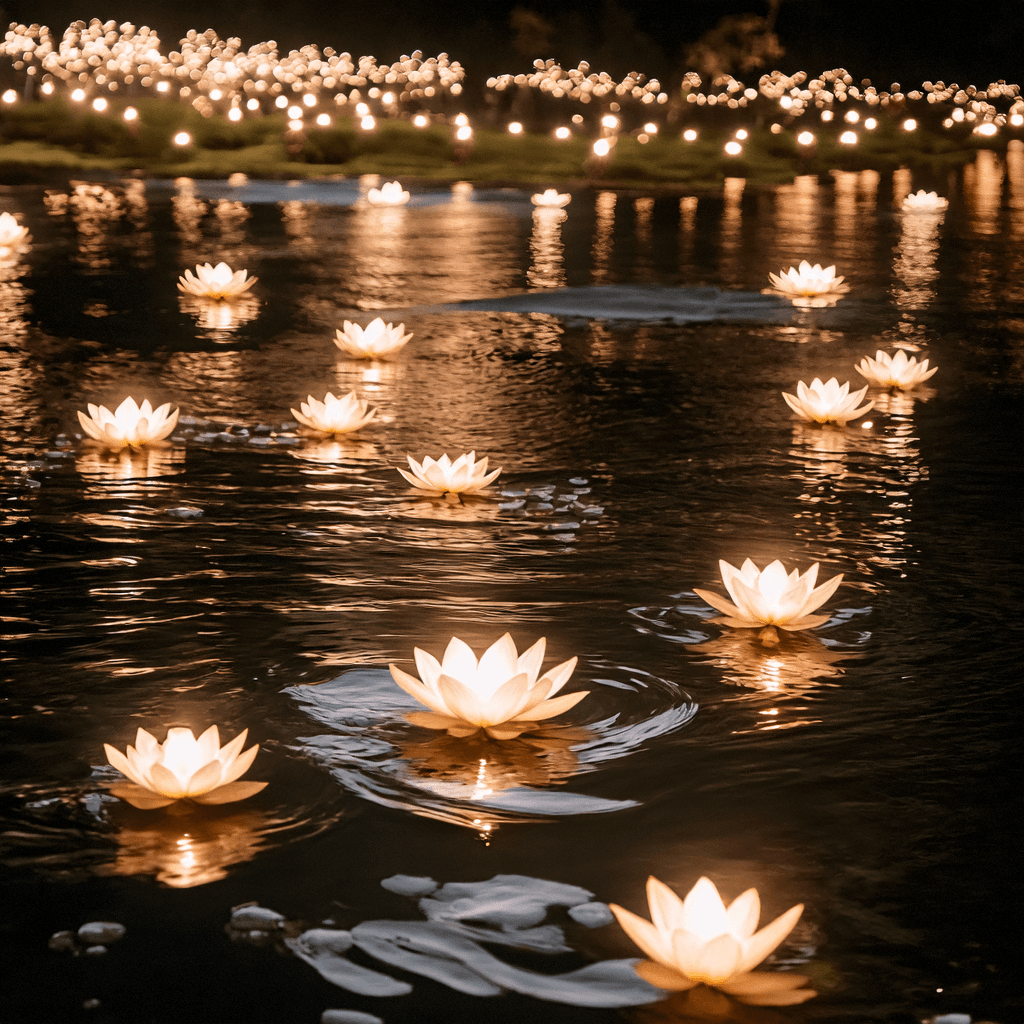 |